

Editor’s Note: This essay is one side of a point-counterpoint on the place of collegiate athletics in higher education. I invited two contributors to respond to the same prompt from opposing perspectives. You can read about the project and the prompt here, and the companion essay presenting the opposing view here.
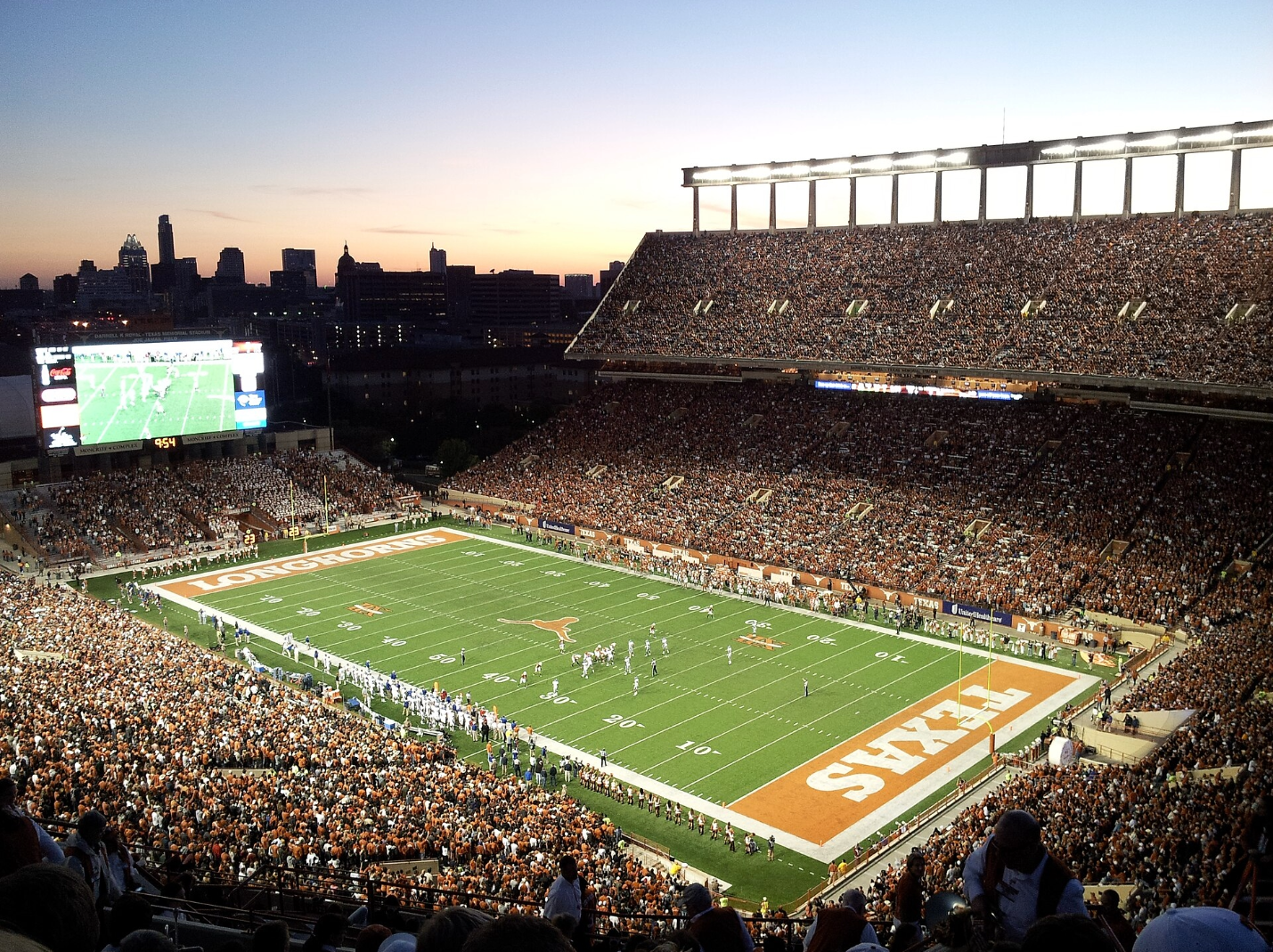
When conservative Ted Cruz and liberal Maria Cantwell cosponsor significant legislation, people take notice. Such is the dire state of American intercollegiate athletics that the Cruz-Cantwell bill attempting to reform college varsity sports is drawing significant attention. Big-time intercollegiate athletics currently has a significant financial problem, with expenses sometimes far exceeding income, coming at a time when higher education is facing stagnant revenues and rising costs, forcing some weaker schools to close. This is on top of occasional scandals involving sexual misconduct, gambling, or drug transgressions that have severely damaged some institutions. Remember Jerry Sandusky and the scandal at Penn State football? Or, of prominent schools virtually giving academically challenged “student-athletes” academic credit despite little or no work effort?
Let me list a few other major issues:
- For most of the dozens of Division 1 schools with big-time sporting aspirations, costs today far exceed revenues;
- Most of the best college players in high-revenue-producing sports like football and basketball have little or no attachment to the school that they attend, and little or no interest in its academic programs;
- While the once prevalent extraordinary financial exploitation of the best college athletics has been sharply reduced, that in turn has aggravated the financial drain that ball throwing contests like basketball and football are having on the core academic activities of disseminating and discovering knowledge and creative ideas;
- Long-term physical damage caused by brutal physical activity in sports like football invites lawsuits against colleges for decades to come;
- While interest in women’s sports has increased, the still dominant popularity of men’s football and basketball serves to exacerbate gender inequalities;
- The NCAA cartel that oversees most big-time college sports is highly vulnerable to legal attack on antitrust grounds.
To my knowledge, nowhere else in the world do collegiate athletics play the outsized role that they do in the U.S. Many countries have amateur teams associated with colleges where the sporting activity is appropriately viewed as an extracurricular activity of secondary importance to the acquisition of knowledge and related positive skills.
Fiddling with rules on transfer portals and NIL (Name, Image, and Likeness) payments may be marginally useful, but they are unlikely to fundamentally deal with the reality that college athletes are a hugely popular and potentially successful commercial activity that has virtually nothing to do with the business of creating or discovering ideas, far different than even such quasi-academically related university activities like running hospitals and clinics.
Here is a radical idea: Colleges and universities could enter into massive commercial deals to sell or lease their NIL to for-profit athletic companies, along with their massive facilities such as stadiums, basketball arenas, indoor practice facilities, and surrounding parking lots. The universities could then place the proceeds from the sale into their endowments to further their academic missions. Certain guardrails would need to be included to ensure that the new for-profit teams do not engage in activities that could severely undermine the university’s reputation. To maintain some semblance of a relationship between the new sporting organization and the university, perhaps a certain percentage of student-athletes would need to have some tie to the school, such as taking a course or two. Perhaps these athletes would sign two or three-year contracts to ensure some continuity with the team and institution. Perhaps an age limit should be instituted so the University of Last Resort does not field a team of players that, on average, are 10 years older than typical students. Athletes for these teams should be able, possibly even required, to take some university coursework tuition-free.
Some major sports teams in soccer, football, and basketball command multi-billion-dollar valuations. The university-team ties are commercially valuable as loyal sports-fanatic alums buy season tickets. Ohio State, a decade or more ago, raised hundreds of millions for its endowment merely by selling long-term leases on its parking lots associated with its medical facilities to private entrepreneurs. Colleges and universities could do the same thing with their athletic programs. And university presidents would no longer be humiliated by having not only head football coaches but also offensive and defensive coordinators making far more money than they do.
The devil is in the details. Would the sale of NIL rights, etc., be permanent or subject to periodic review? Who fixes the stadium, basketball arena, and indoor practice facilities when they are in disrepair? Can universities and teams share certain facilities, such as parking lots, to some extent? Can current key personnel, such as athletic directors, seamlessly transition to the new team arrangements?
The issues are many, and no doubt some mistakes would be made initially. But the idea offers schools a way to largely exit the sports business while maintaining much of a great asset: the affection and loyalty of their fans toward their institution.
Donate Today
Will you help us continue our work to reform American higher education?



Leave a Reply